MNopedia:
The Digital Encyclopedia of Minnesota History
-
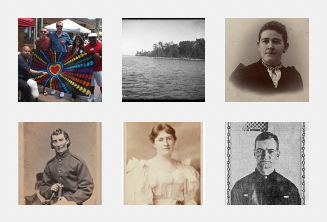
Beulah Brunelle (Turtle Mountain Ojibwe) and Edna Larrabee escaped from Shakopee State Reformatory for Women five times between 1946 and 1949. Though most of the breakouts ended in their recapture within a few days, their fourth escape, in 1949, led to eight months of freedom and allowed the two women to live together as a couple while traveling around the United States.
-
Cecelia Regina Gonzaga, an African American assigned a male sex at birth, lived in St. Paul for four weeks during the summer of 1885. After a police officer arrested her for wearing women’s clothes on August 20, he took her into custody and questioned her at the Ramsey County Courthouse. He released her later the same day, but Gonzaga quickly left the city by train and returned to St. Louis.
-
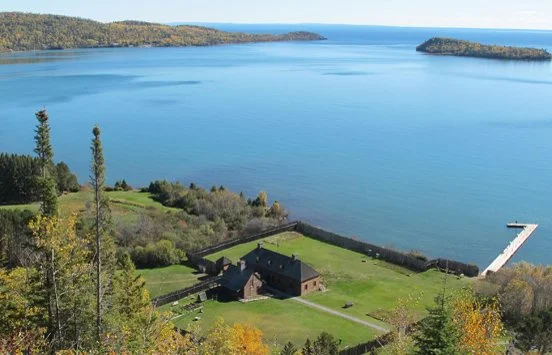
Grand Portage (Gichi Onigamiing) is both a historic seasonal migration route and the traditional site of an Ojibwe summer village on the northwestern shore of Lake Superior. In the 1700s, after voyageurs began to use it to carry canoes from Lake Superior to the Pigeon River, it became one of the most profitable fur-trading sites in the region and a headquarters for the North West Fur Company.
-
Minnesota Men of Color (MMC) was a non-profit organization that served gay and bisexual men of color, women of color, and gender-non-conforming people of color between 1998 and 2003. From its headquarters in Minneapolis, MMC reached clients that majority-white LGBTQ groups had overlooked, focusing specifically on those who were Native, Latinx, African American, and Asian American.
-
Joseph Israel Lobdell, also known as La-Roi and Lucy Ann Lobdell, spent two years in Minnesota in the late 1850s. In 1858, a Meeker County attorney charged him with "impersonating a man," claiming that such an action was a crime. The judge trying the case disagreed, ruling that Lobdell (who had been assigned a female sex at birth) had committed no offense by dressing in men’s clothes.
-
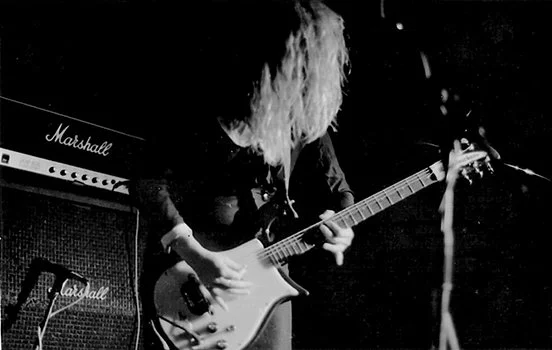
Babes in Toyland grew out of the Minneapolis punk scene to become one of the most visible “alternative” bands of the 1990s. In their recordings and live performances, they honed an abrasive, commanding sound that attracted fans from across the United States and Europe.
-
On November 6, 2012, Minnesota voters rejected a proposed amendment to the state’s constitution. Minnesota Amendment 1, also called the Minnesota Marriage Amendment, would have limited marriage to heterosexual couples. When the amendment failed to pass, Minnesota became the first and only state to reject a "same-sex marriage" ban through the will of voters rather than a court ruling.
-
One of the most credible UFO (unidentified flying object) encounters in American history unfolded in Minnesota in 1979. Marshall County Deputy Sheriff Val Johnson never claimed that he saw aliens or spaceships—merely that a force he could not identify collided with his car, cracking its windshield and leaving him unconscious. Johnson’s reasonable testimony and the evidence left behind on his vehicle made the event a popular case among those who study unidentified aerial phenomena.
-
Wards 1 and 3 in Northeast Minneapolis have been the center of the Twin Cities’ Ukrainian community since the late nineteenth century. Vibrant and long-lasting cultural institutions—including churches, Kramarczuk’s Sausage Company, and the Ukrainian American Community Center—have made Ukrainians in Northeast one of the city's most visible groups of European immigrants, in spite of their relatively small population.
Also by Lizzie: